
Genetics
Some genes protect against cellular ageing by preserving telomeres, repairing DNA and limiting oxidative stress. Good genes are no guarantee, though.
We live longer than ever, but not always in better health. What determines how we age, and which pillars can you influence yourself?
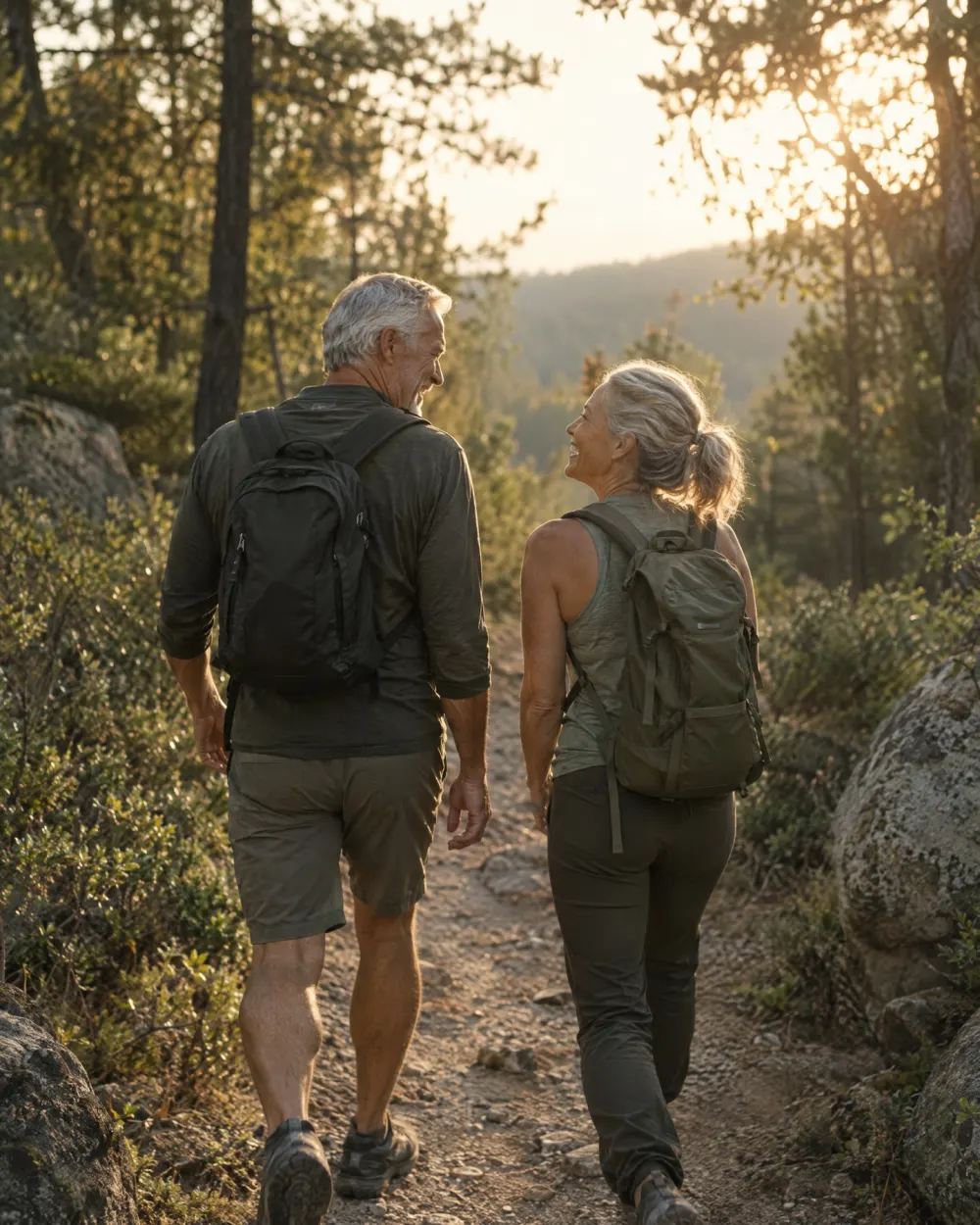
Our life expectancy has risen dramatically over the past century. The flip side: we live longer, but often with several chronic conditions at once, which limits independence. Longevity is therefore not only about the length of your life, but about its quality.
W = women, M = men. Source: Statbel.
Genes, environment and lifestyle work together. You have the most influence on the last one.
Some genes protect against cellular ageing by preserving telomeres, repairing DNA and limiting oxidative stress. Good genes are no guarantee, though.
Air quality, where you live and your surroundings all play a part. In Blue Zones such as Okinawa and Sardinia it is the combination of food, social structure and environment that determines how healthily people age.
Food, sleep, exercise and dealing with stress can add years and improve the quality of those years. This is where you have the most influence.
In regions such as Okinawa in Japan and Sardinia in Italy, remarkably many people age in good health. Not because of one secret, but through a combination of simple food, daily movement built into their surroundings and strong social ties.
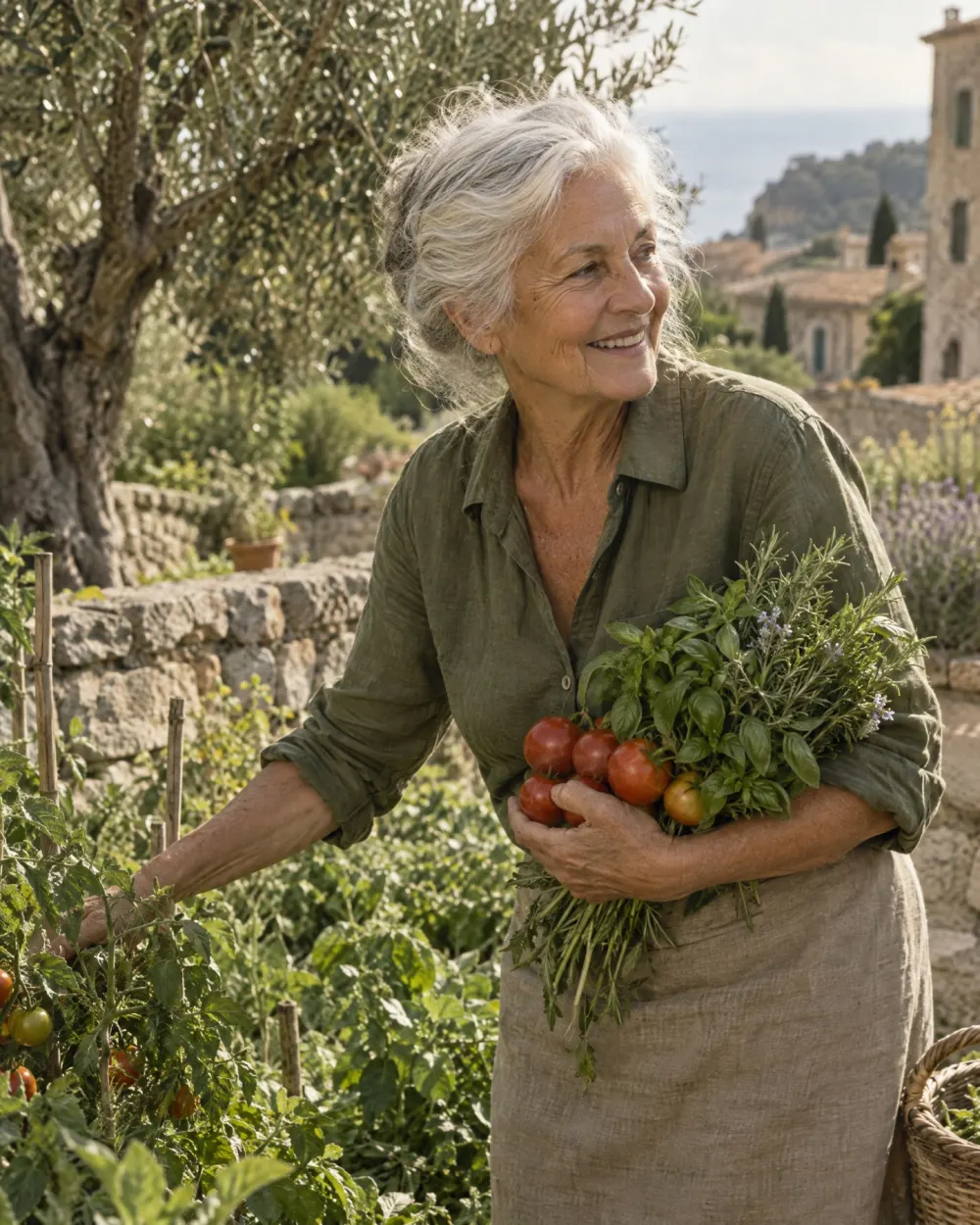
None of these pillars does it alone. Together they make the difference.
Choose unprocessed: vegetables, fruit, whole grains, nuts and seeds. Limit sugar, trans fats and artificial additives.
An average of 8 hours a night supports cell repair and muscle building. Persistent lack of sleep speeds up ageing.
At least 30 minutes of activity every day. Combine cardio with strength training to maintain muscle mass and mobility.
Chronic stress speeds up ageing. Breathing, meditation and mindfulness bring body and mind to rest.
Strong relationships lower stress and loneliness. People with a rich social network live longer and in better health.
Reading, learning and puzzles keep the brain flexible and reduce the risk of cognitive decline.
Smoking and excessive alcohol use are major threats to a long life. Stopping brings health benefits straight away.
An addition to the other pillars, not a replacement. Choose substantiated forms and doses.
Once the basics are in place, targeted supplementation can add to them. Research into healthy ageing looks among other things at substances that support energy production in the cell and protection against oxidative stress.
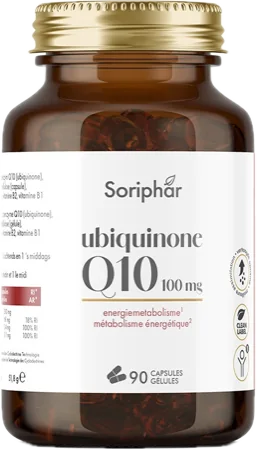 Coenzym Q10 – 100 mg
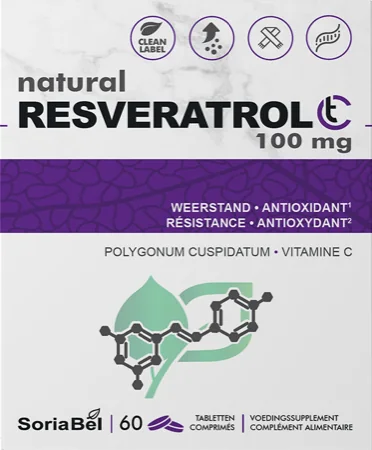 Resveratrol – 100 mg
 Energium
 Omega-3 fish oil 1000 mg
 Collagen
Why collagen declines from the age of 25, what hydrolysis changes and which building blocks skin, hair and nails need.
Read more
Collagen
Why collagen declines from the age of 25, what hydrolysis changes and which building blocks skin, hair and nails need.
Read more
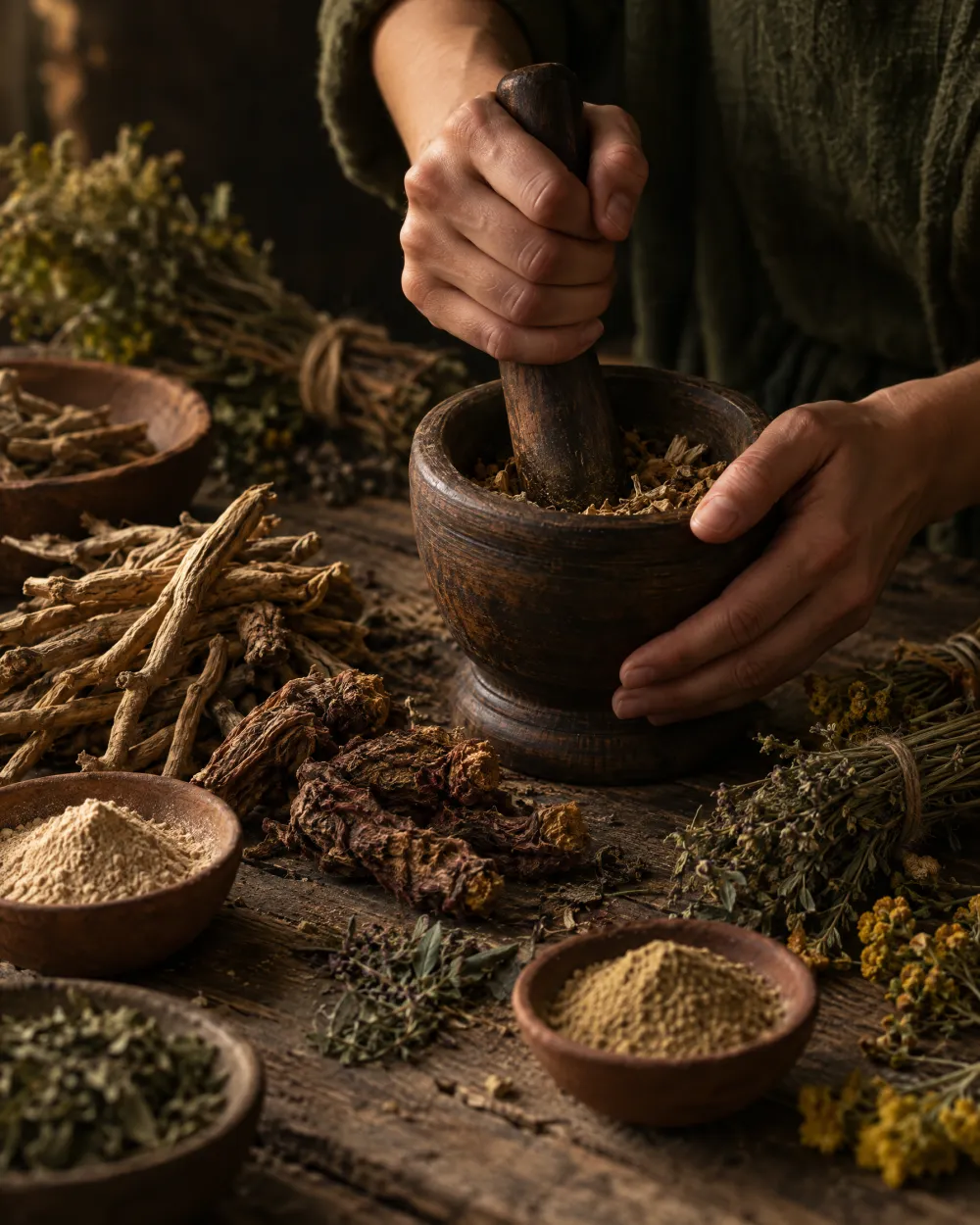 Adaptogens
How ashwagandha, rhodiola and saffron act on the stress axis, and how the studies were set up.
Read more
Adaptogens
How ashwagandha, rhodiola and saffron act on the stress axis, and how the studies were set up.
Read more
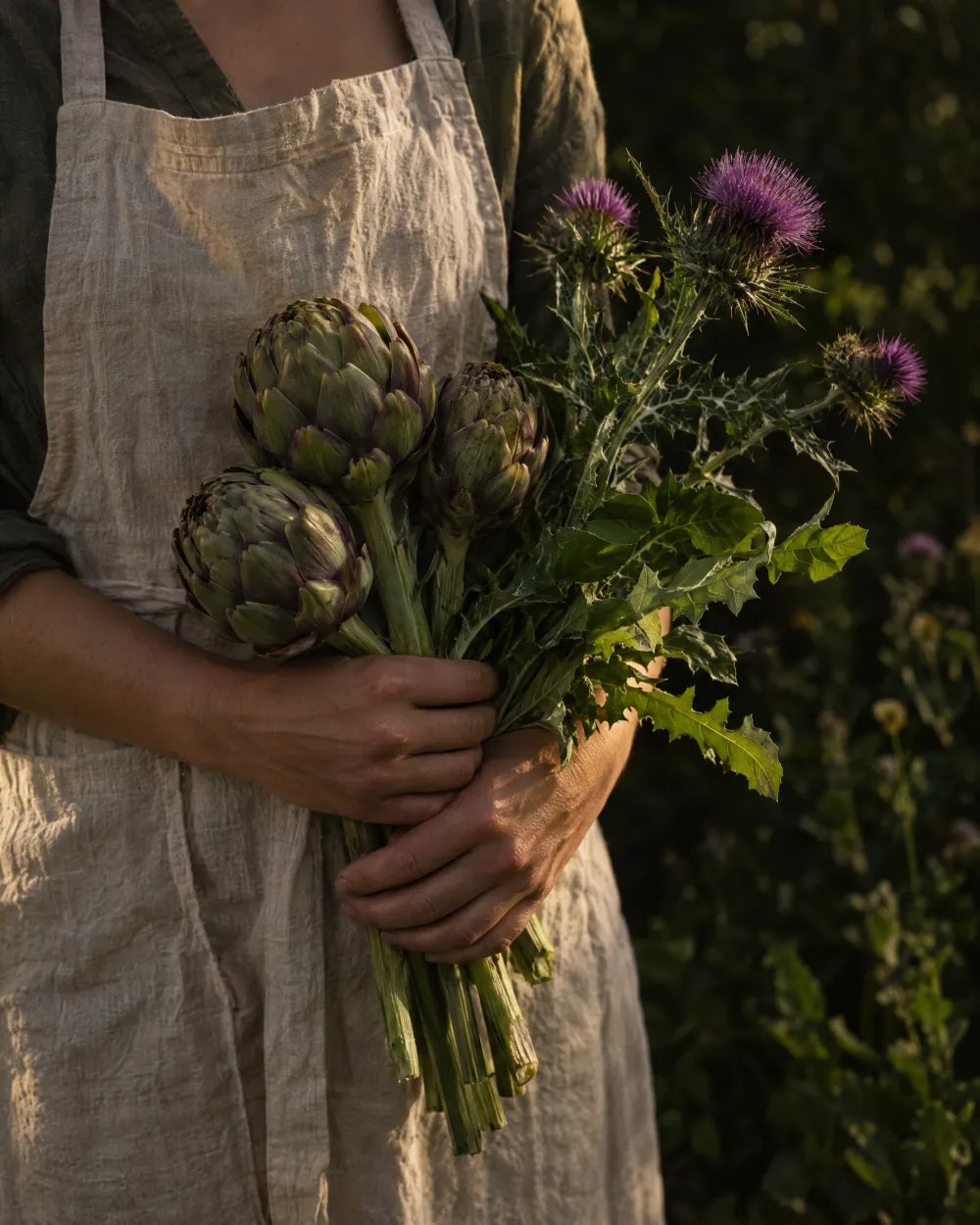 Liver
What the liver processes every day, how it converts substances in three phases and what research says about artichoke.
Read more
Liver
What the liver processes every day, how it converts substances in three phases and what research says about artichoke.
Read more
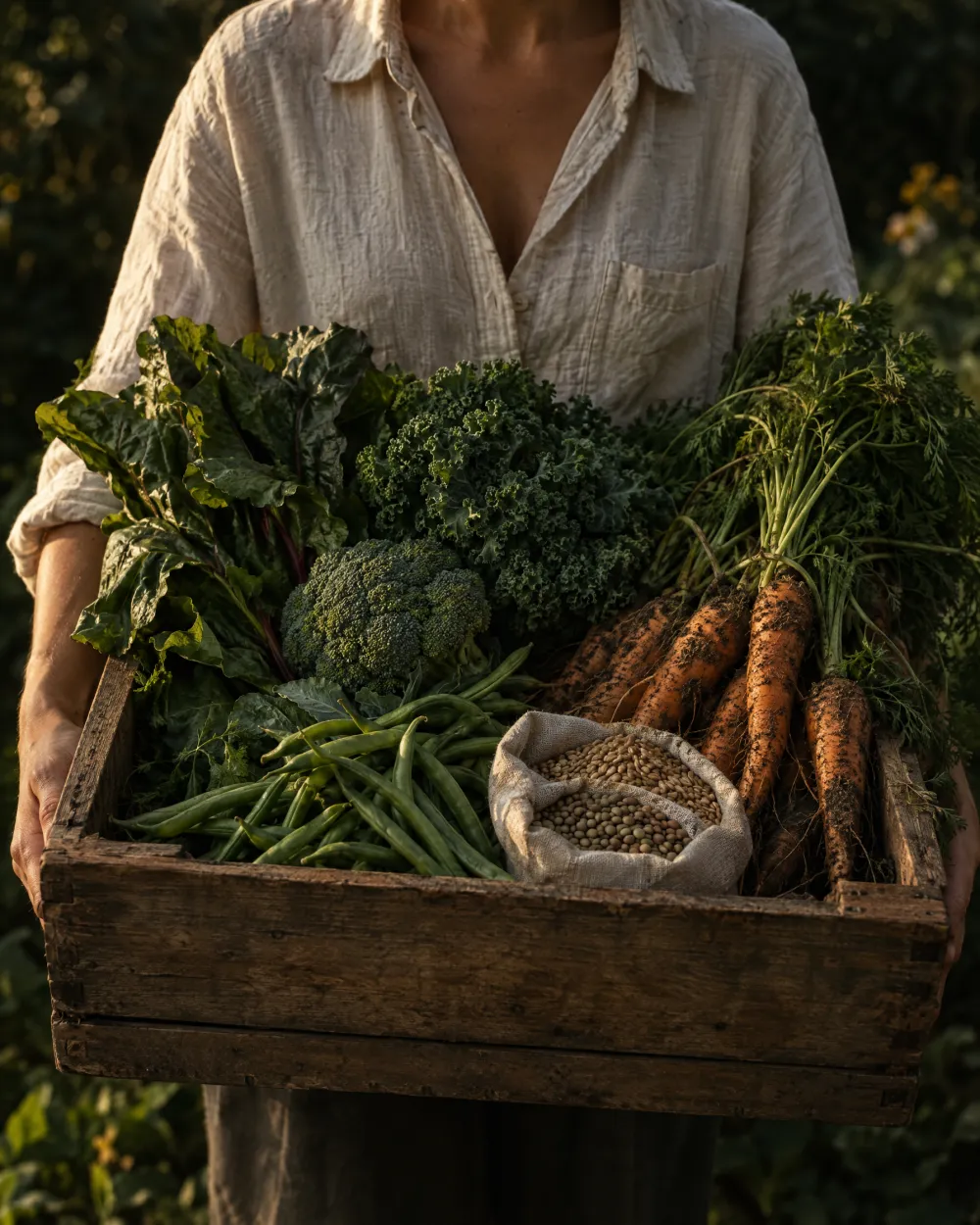 Blood sugar
How blood sugar spikes arise, how they lead to insulin resistance and what you can do yourself for a steadier blood sugar.
Read more
Blood sugar
How blood sugar spikes arise, how they lead to insulin resistance and what you can do yourself for a steadier blood sugar.
Read more

New insights in your inbox, clearly explained and backed by evidence. No offers without substance.
Sign up for our newsletter and get 10% off your next purchase.
Stay up to date on offers & news.


