MENU Cart
EN
Soriphar guarantees the quality and effectiveness of its products
Free shipping from € 75
Liver

The liver: the centre of metabolism and detoxification

Every day the liver processes substances from food, medication and the environment. What puts a load on it, how it converts those substances in three phases and what research says about artichoke.

± 1,5 kg
is the weight of the liver, the largest internal organ
3
phases in which the liver processes and removes substances
4
everyday factors that put the greatest load on the liver
What the liver does

An organ with many tasks

The liver plays a central role in metabolism, energy production and processing waste. It filters substances out of the blood and converts them into forms the body can remove.

  • Processes fats, sugars and proteins from food
  • Produces bile for the digestion of fats
  • Converts medication, alcohol and hormones
  • Stores energy and releases it when needed
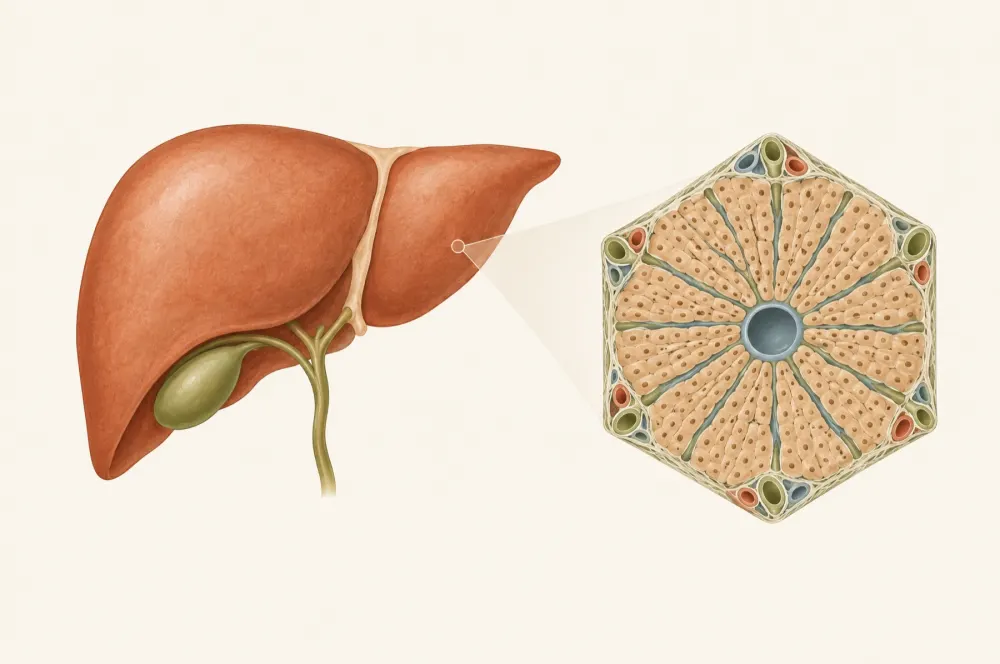
Illustration of the liver with gall bladder and an enlarged liver lobule
The liver is made up of thousands of lobules, small units of liver cells around a central vein.
Load

What puts the greatest load on the liver

Among working-age people it is rarely one single cause. It is the sum of food, medication, alcohol and stress that calls on the liver’s processing capacity day after day.

Four factors and what they do
  1. Processed food and sugar A lot of fructose and ultra-processed food prompts the liver to make fat and increases oxidative stress.
  2. Medication Long-term use of painkillers, statins or hormones asks extra work of the detoxification enzymes.
  3. Alcohol Promotes fat storage and puts a load on the power plants of the liver cells.
  4. Long-term stress Keeps cortisol high, which influences fat storage around the belly and sugar metabolism.
Detoxification

How the liver processes substances

Detoxification is not a cure but a continuous biochemical process in three phases. Each phase works with its own enzymes and needs its own nutrients.

  1. Substances

    From outside the body and from its own metabolism.

    • Medication
    • Alcohol
    • Hormones
    • Pesticides and pollutants
    • Breakdown products
  2. Phase I: activation

    Cytochrome P450 enzymes convert substances into intermediates.

    Needs
    • B vitamins
    • Choline
    • Zinc
    • Iron
    • Essential fatty acids
  3. Phase II: conjugation

    Intermediates are conjugated and made water-soluble.

    Needs
    • Glutathione
    • Cysteine
    • Folic acid
    • Vitamin B12
  4. Phase III: elimination

    The converted substances leave the body.

    Via
    • Bile and intestine
    • Kidneys and urine
    • Skin and sweat
Artichoke

Why artichoke is studied

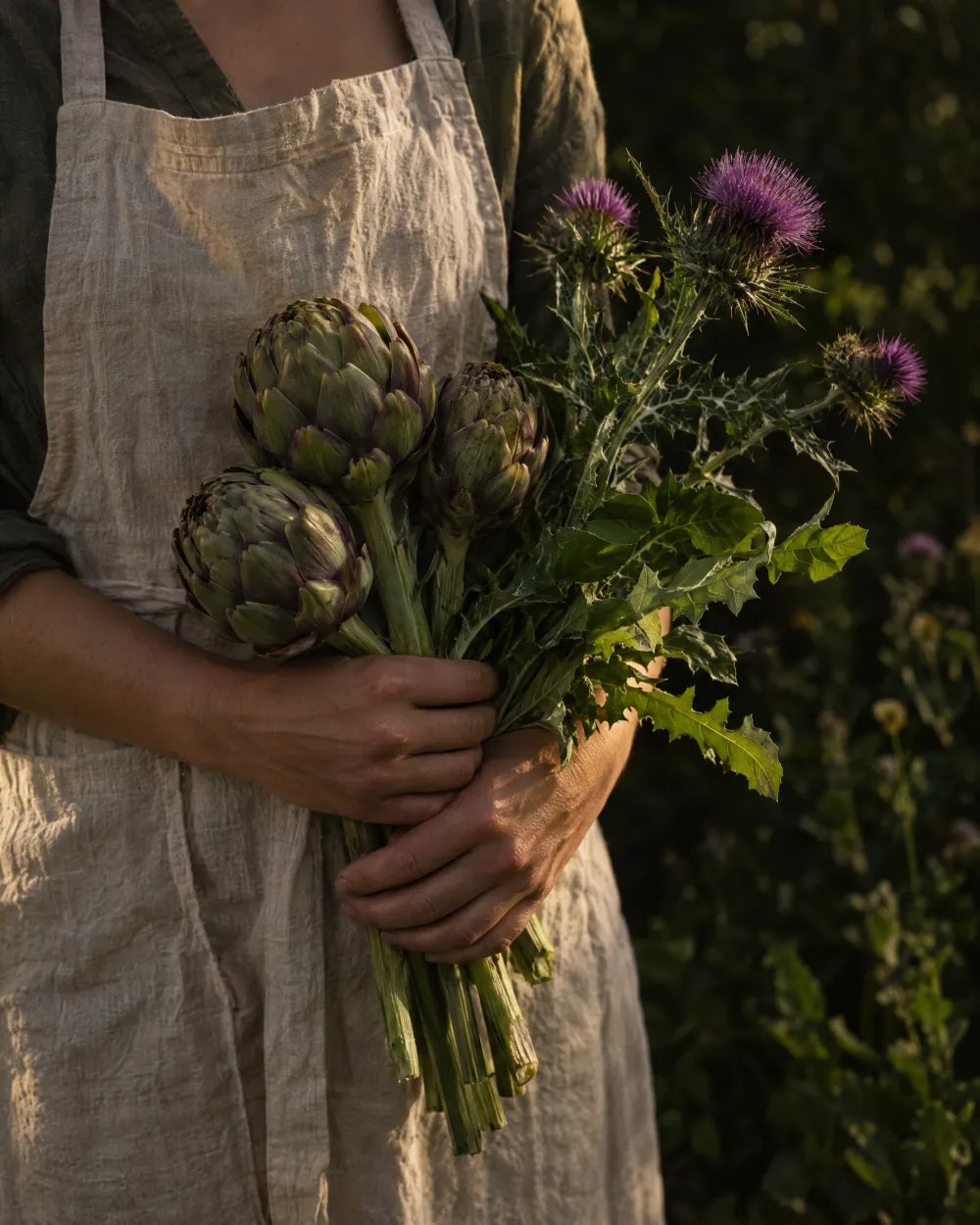
Artichoke (Cynara scolymus) is one of the longest-studied plants in connection with the liver. Attention goes mainly to cynarin and the polyphenols in the leaf.

  • Cynarin stimulates the production and flow of bile
  • Bile helps emulsify fats in the intestine and remove fat-soluble substances
  • Polyphenols are studied for their role in fat metabolism
Research and lifestyle

What was studied, and what you can do yourself

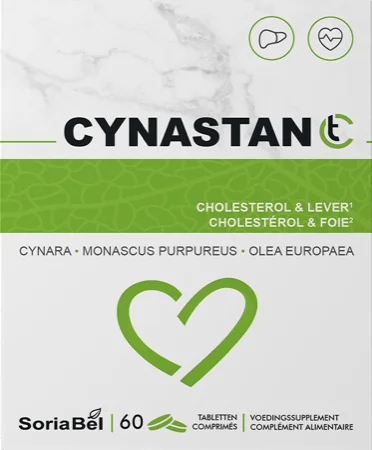
Artichoke is the liver extract in our range. Beyond that, lifestyle remains the basis.

Artichoke leaf extract

Cynara scolymus

The leaf contains cynarin, chlorogenic acid and flavonoids. These are studied for their effect on bile production and fat metabolism.

How it was studied

Systematic review and meta-analysis of randomised, controlled trials. Measured on liver enzymes.

Amini et al., 2022
Standardised

The content of active substances differs from harvest to harvest. That is why we work with extracts that are checked and adjusted on their active constituents.

What you can do yourself

Limit alcohol and sugars, move regularly, eat plenty of vegetables and fibre and drink enough water. An extract is an addition to that basis.

We describe how the research was set up, not what you may expect for yourself. If you have questions about your liver values, talk to your doctor.

Sources (4)
  1. Amini MR, Sheikhhossein F, Talebyan A, et al. Effects of Artichoke Supplementation on Liver Enzymes: A Systematic Review and Meta-Analysis of Randomized Controlled Trials. Clin Nutr Res. 2022;11(3):228–239.
  2. Ben Salem M, Affes H, Ksouda K, et al. Pharmacological Studies of Artichoke Leaf Extract and Their Health Benefits. Plant Foods Hum Nutr. 2015;70(4):441–453.
  3. Zayed A, Serag A, Farag MA. Cynara cardunculus L.: Outgoing and potential trends of phytochemical, industrial, nutritive and medicinal merits. Journal of Functional Foods. 2020;69:103937.
  4. Zeisel SH, da Costa KA. Choline: an essential nutrient for public health. Nutr Rev. 2009;67(11):615–623.

Stay in the loop

New insights in your inbox, clearly explained and backed by evidence. No offers without substance.

Privacy Overview

This website uses cookies so that we can provide you with the best user experience possible. Cookie information is stored in your browser and performs functions such as recognising you when you return to our website and helping our team to understand which sections of the website you find most interesting and useful.