

The liver under pressure: how plants can support liver function
Our liver performs more than 500 functions, including the processing of nutrients, fat metabolism, and the breakdown and elimination of waste products.
But our modern lifestyle is putting increasing strain on this organ.
Fatty liver disease: a growing problem
An estimated 25–30% of adults have non-alcoholic fatty liver disease (NAFLD), now also referred to as MASLD (metabolic dysfunction-associated steatotic liver disease).
This condition involves a build-up of fat in liver cells, often without noticeable symptoms.
Key risk factors include being overweight, insulin resistance, medication use, a diet high in sugars and highly processed foods, and insufficient physical activity. When fatty liver disease persists, oxidative stress and inflammatory processes can develop. In some people, this can progress to liver fibrosis and eventually cirrhosis.
Natural support from plants
A healthy diet, regular physical activity and weight management form the foundation of good liver health. Phytotherapy also offers ways to support certain liver functions.
Milk thistle (Silybum marianum) contains silymarin. This bioactive fraction helps stabilise liver cell membranes and supports antioxidant defences, in part through glutathione. Silymarin is also being studied for its effects on inflammatory and fibrotic processes.
Artichoke (Cynara scolymus) stimulates bile production. This supports fat digestion and the elimination of fat-soluble substances through bile. Its polyphenols also influence fat and cholesterol metabolism.
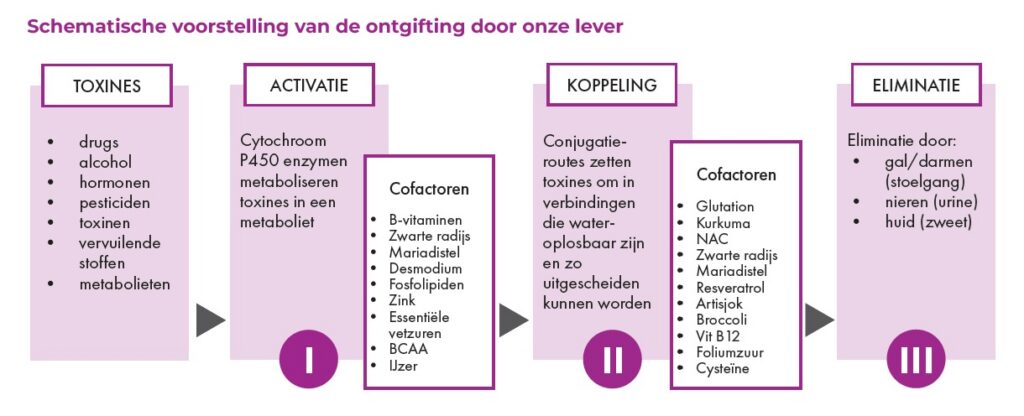
Black radish (Raphanus sativus niger) contains isothiocyanates that may activate phase II detoxification enzymes. This can facilitate the transformation of certain metabolites and their excretion through bile and urine. Black radish also supports bile production.
Desmodium (Desmodium adscendens) contains flavonoids and phenolic acids with antioxidant properties. Preclinical research suggests that it may protect liver cells against oxidative and inflammatory stress.
Taraxacum (Taraxacum officinale), better known as dandelion, is traditionally used to support digestion and biliary function. Its bitter compounds stimulate digestive secretions, thereby helping the body process fats.
Choline contributes to normal lipid metabolism and the maintenance of normal liver function. Among other roles, it plays an important part in the transport and processing of fats in the liver.
Take good care of your liver
These plants and nutrients act through different, complementary mechanisms. Among other effects, they support biliary function, fat metabolism, natural elimination processes and protection against oxidative stress.
They do not replace a healthy lifestyle, but can be a valuable complement to it. A balanced diet, sufficient physical activity, a healthy body weight and moderate alcohol consumption remain the foundations of a healthy liver. By paying attention to these factors every day, we give our liver the best possible conditions to continue performing its many essential functions optimally.


