

Collagen is perhaps one of the most talked-about substances in the world of skincare and health—and for good reason. This structural protein is quite literally the glue that holds our body together. It provides firmness, elasticity, and tissue repair, and is a fundamental building block of our skin, bones, tendons, organs, and blood vessels.
In short
- Collagen gives the skin firmness and elasticity; type I is the most common type.
- From around the age of 25, the body makes on average about 1% less collagen each year.
- Smoking, UV light, air pollution, stress and a lot of sugar weaken the collagen structure.
- The body builds collagen from amino acids; vitamin C is an essential cofactor.
What does collagen do in the skin?
In the skin, collagen is located in the extracellular matrix, along with elastin, hyaluronic acid, and fibroblasts. This combination ensures a firm, elastic, and well-hydrated skin. Type I collagen is the most abundant type in the body—it makes up about 90% of total collagen and is the main component of the skin’s structure.
When does collagen start to decline?
Around the age of 25, your body begins to produce less collagen—on average about 1% less per year. This natural decline is one of the main causes of skin aging: think wrinkles, sagging, enlarged pores, and dullness. Hair fibers can also weaken due to collagen loss.
External factors accelerate this process even further. Smoking, excessive sun exposure (UV), air pollution, stress, drugs, and even high sugar intake can damage or weaken the collagen structure. Sugars can bind to collagen and elastin, making them stiff, less flexible, and eventually causing them to break down.
How can you counter collagen loss?
Your body produces collagen from amino acids like proline and glycine, which you get from your diet. Collagen naturally occurs in bone broth, fish, beef, and pork. It’s hardly present in fruits and vegetables, but certain nutrients can support collagen production—especially vitamin C, a vital cofactor in collagen synthesis.
Collagen supplements: effective or hype?
A well-formulated collagen supplement can be a valuable addition to a healthy lifestyle. Choose a pure, bioactive form that your body can absorb and use effectively.
Naticol® is such a supplement: it contains hydrolyzed type I collagen peptides from high-quality sources. Thanks to hydrolysis, the peptides are small enough to be quickly absorbed: over 90% is available in the bloodstream within one hour of intake. Moreover, Peptan consists of 97% protein—an indicator of its purity and quality.
Conclusion
You can’t stop skin aging, but you can slow it down. By eating well, protecting your skin from harmful influences, and choosing a high-quality collagen supplement, you provide your body with the building blocks it needs to repair and strengthen from within.
In our range
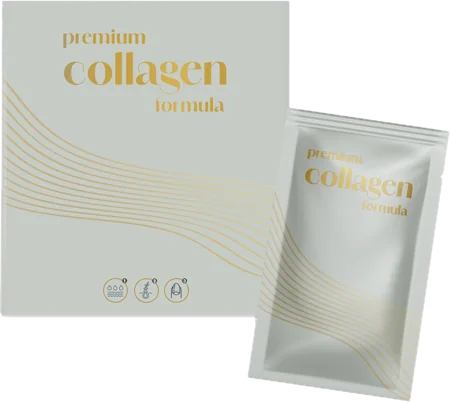 Premium Collagen Formula
- Contains Naticol® marine collagen peptides with low molecular weight (< 2000 Da)
- Enriched with keratin, hyaluronic acid and vegan cysteine (Fermopure®)
- Backed by clinical studies and consumer trials
 Pure collagen – Peptan®
- Excellent digestibility + efficient absorption = high bioavailability
- Type I collagen peptides (Peptan®)
- With vitamin C and zinc for targeted support
 Liquid Collagen – Peptan®
- Excellent digestibility and absorption (high bioavailability)
- Natural origin – type I collagen peptides (Peptan®)
- Suitable for children and during pregnancy
Frequently asked questions
What does collagen do in the skin?
Collagen sits in the extracellular matrix, together with elastin, hyaluronic acid and fibroblasts. Together they keep the skin firm, elastic and hydrated.
Why does collagen decrease?
From around the age of 25, your body makes less collagen, on average about 1% per year. Smoking, UV light, air pollution, stress and a high sugar intake speed this up.
What should you look for in a collagen supplement?
Choose a pure form with hydrolysed collagen peptides. Thanks to hydrolysis, the peptides are small enough to be absorbed well.


